
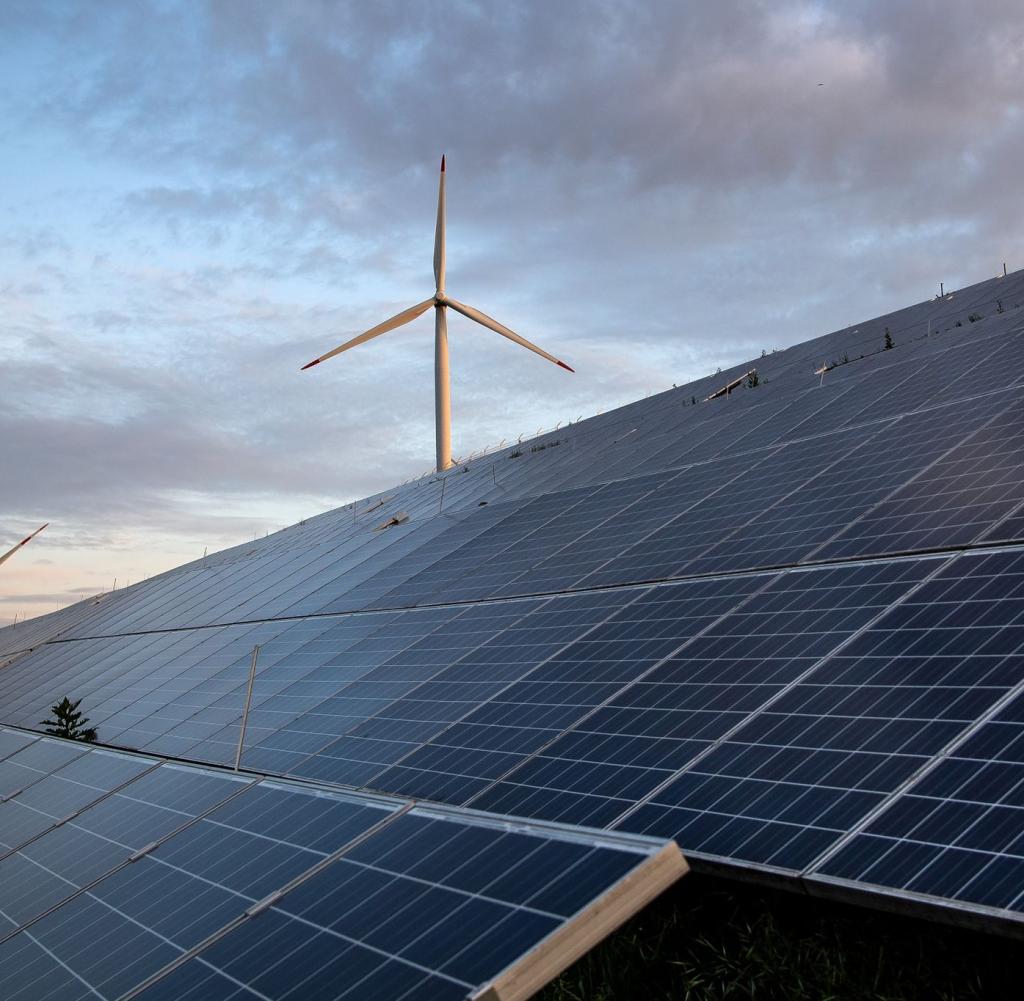
IIn the fight against high energy prices, the EU Commission would like to oblige the member states to skim off excessive profits from electricity producers and use the proceeds to relieve households and companies. According to a draft regulation by the EU Commission, which was presented to the AFP news agency on Tuesday, an upper limit is to be introduced for the price per megawatt hour of electricity that producers are allowed to achieve.
If the price on the electricity exchanges is higher, the difference should go to the governments of the EU countries, which in turn should use it to finance aid programs. This should apply to energy companies that produce electricity, among other things, from wind and solar energy as well as coal and nuclear power. This should not apply to gas and coal-fired power plants.
An exact price per megawatt hour was not included in the draft law, the corresponding places were still marked with an “X”. In previous drafts, the revenue cap was 200 euros per megawatt hour.
Since the Russian attack on Ukraine energy prices and thus overall inflation rose again significantly. Many households and companies can no longer cope with the additional burdens. The federal government is therefore planning an electricity price brake and wants to skim off excess profits on the electricity market. Here, however, an EU-wide solution is preferred, which is now being fought over.

According to the Commission, producers of green, coal or nuclear power are currently making enormous profits. Because the merit order principle applies in the European electricity market, according to which the costs of the last electricity source used to cover demand determine the price for all market participants. Currently, these are the gas power plants. That drives up electricity prices.
“Solidarity levy” for fossil fuels
According to the Commission’s proposal, the Brussels authority also wants to levy a mandatory “solidarity levy” on oil, gas and coal companies. This should be based on how much profit has increased in 2022 compared to previous years.
The draft regulation also provides for a binding target for reducing electricity consumption at peak times. The percentage has not yet been determined. An earlier Commission proposal spoke of an average of at least five percent.

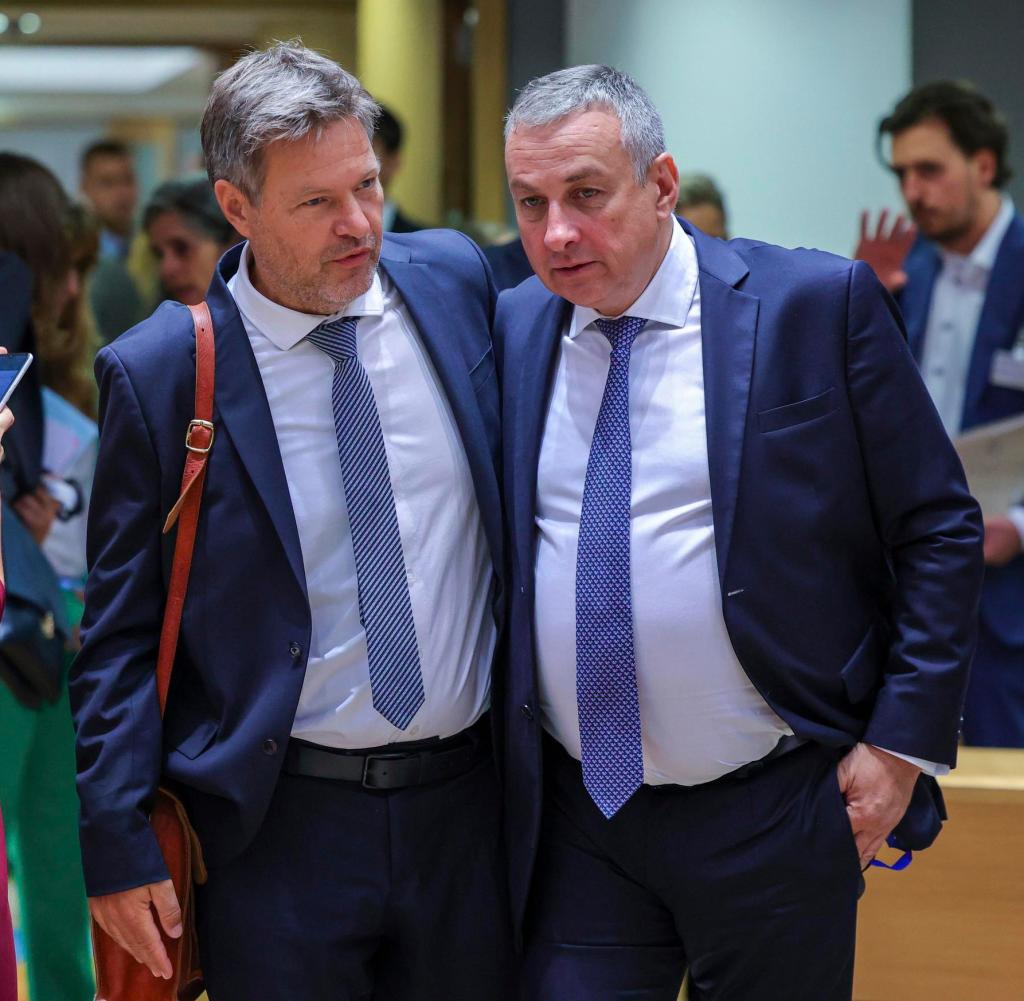
Commission President Ursula von der Leyen will give her annual State of the Union address at the European Parliament in Strasbourg on Wednesday. It was expected that she would present at least parts of the proposals on the occasion. They are based on discussions between the European energy ministers who met for an emergency meeting in Brussels on Friday. Federal Minister of Economics Robert Habeck (Greens) had insisted that the rules on the electricity market also had to be changed. He wants to break the coupling of electricity and gas prices.