

Dhe automobile club ADAC is constantly expanding its business beyond offering assistance to car drivers. The latest addition to the product range are solar systems for homeowners, which the club offers together with the Berlin start-up Zolar. The business operations of the ADAC see this as a logical addition to the products for e-car drivers.
“We want to help our members on their way to electromobility,” says Sascha Coccorullo, Head of Strategy at ADAC SE. In addition to wall boxes, charging cards and green electricity tariffs, the solar roof is the next big building block.
The offering is reminiscent of electric car maker Tesla, which has also been selling solar roofs since acquiring solar company Solar City in 2016. However, Tesla does not offer the panels in Germany; the additional product range is limited here Wall boxes and power storage for home. The ADAC estimates that 80 percent of charging takes place at home.
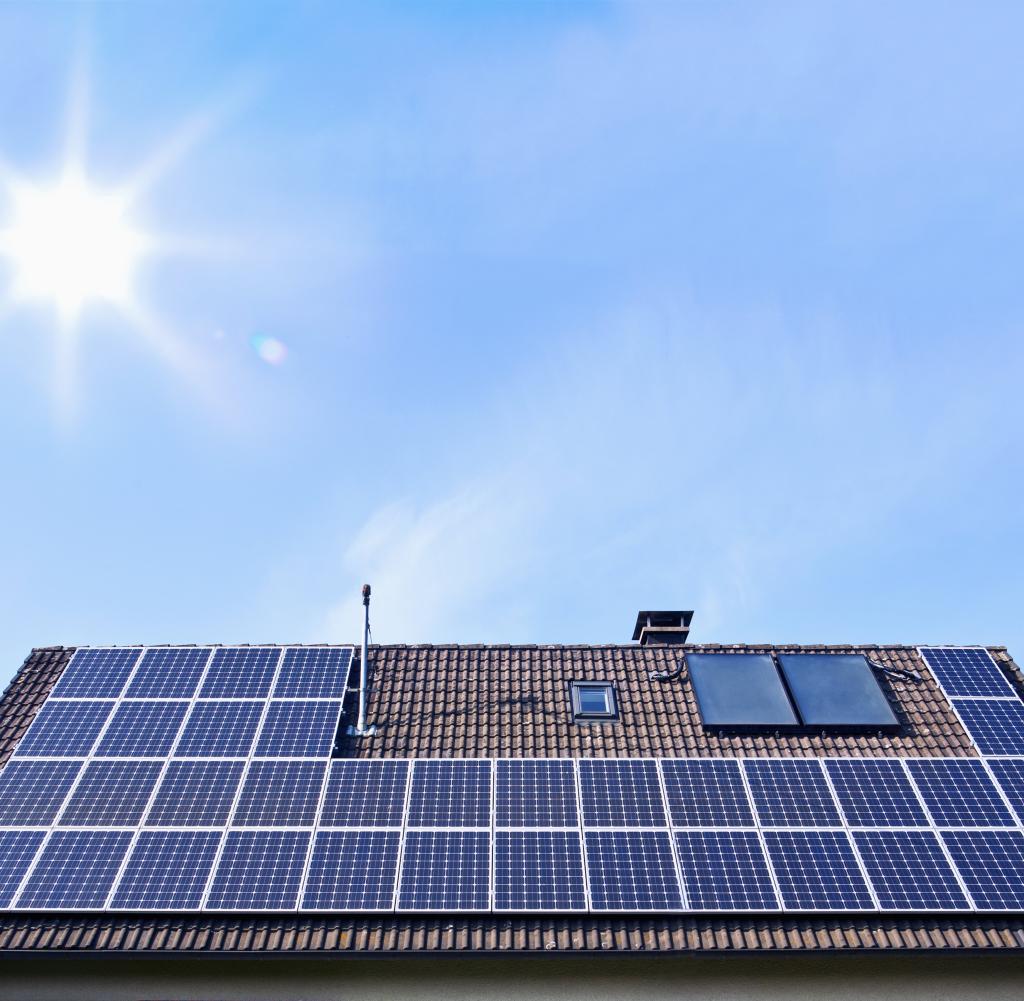
 photovoltaic systems were installed on single-family homes”/>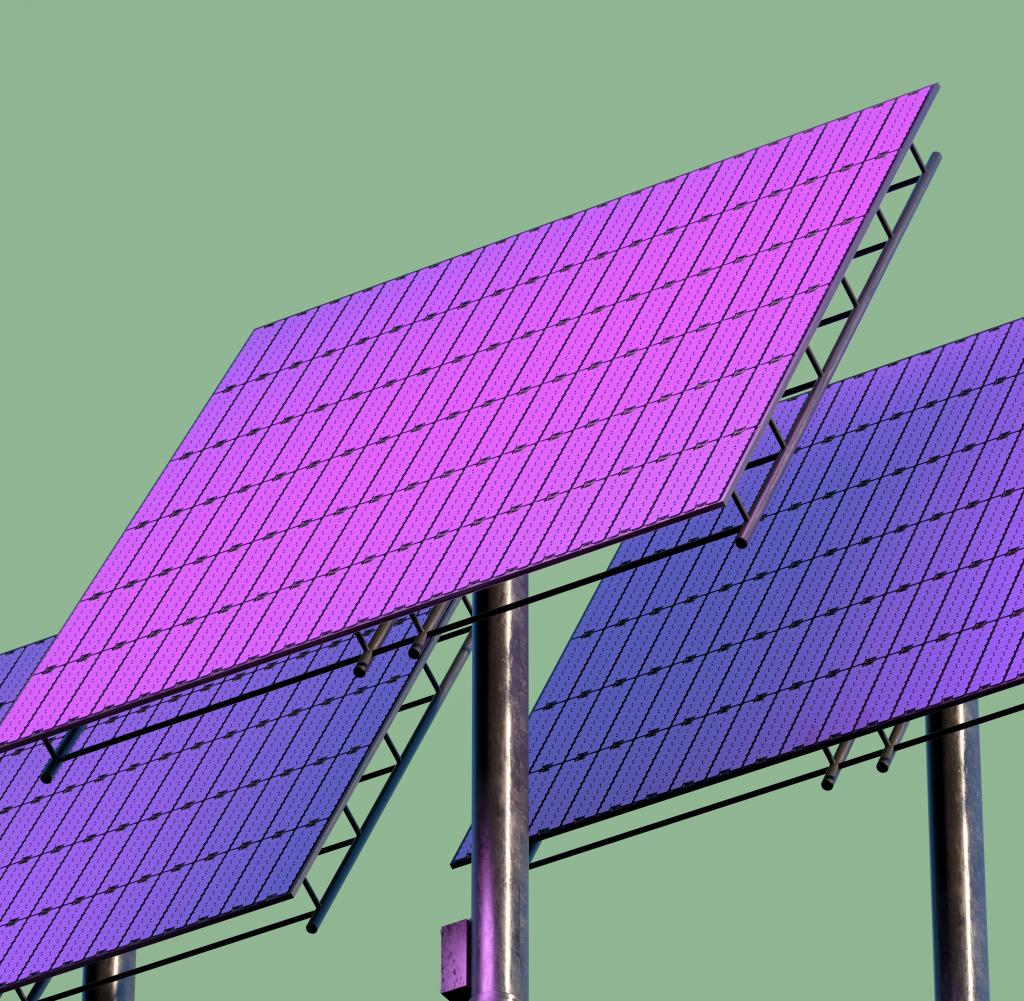
For the car club, the new cooperation offer is part of a significant expansion of its business areas. “Last year, at its annual general meeting, ADAC eV wrote in the statutes that the topics “home” and “health” should be additional strategic fields in addition to mobility,” says Coccorullo. The strategy field “home” is particularly important. “The interface between home and mobility is electromobility.”

However, the combination of an electric car and your own solar system only makes sense if the car can be regularly connected to the grid at home during the day, for example at the weekend. The associated electricity storage devices for the house are not designed to charge cars. Consumer advocates, among others, point this out.
Feeding into the power grid is no longer financially worthwhile
In addition, the technology for so-called bidirectional charging in Germany in combination with houses is not yet on the market. This means that the car cannot yet be used as an electricity storage device for the house. In the USA, the car manufacturer Ford is already advertising with this principle. The electric version of the pick-up F150 is supposed to provide electricity for the light, refrigerator and oven in the event of a power failure.
The price speaks for charging the car with your own solar power, after all, as a consumer, you make yourself independent of the recent significant rise in electricity prices. For an average customer, the electricity costs for the entire house would drop from 117 euros to 19 euros per month, says Zolar boss Alex Melzer.
The less energy users draw from the public grid, the cheaper it becomes for them. Feeding electricity into the power grid, on the other hand, is no longer particularly worthwhile financially.
One Solar system for the house costs around 25,000 euros including memory at Zolar. The prices vary greatly, depending on the size and orientation of the roof and the customer’s willingness to invest. Like other full-service providers, the start-up takes care of all the steps from planning to connecting the system. Unlike its competitor Enpal, which also organizes the entire operation in a kind of leasing model, Zolar sells the solar roofs to its customers.
Craftsmen in the region take care of the construction. After the bottlenecks in the supply chain last year, they stocked up on solar panels, says Melzer. The biggest delay is usually the application for connection to the local network operator, which sometimes lasts longer than five months. “If you order now, you will definitely have the system installed in 2023,” promises Melzer. This year he is hoping for 10,000 new customers from the ADAC cooperation.
There is increasing pressure on homeowners to produce their own electricity
Both partners estimate the possible growth in the solar business to be very large. Of the 16 million single-family homes in the country, only two million have a solar roof, says Melzer. “The potential is huge.” Especially since the pressure on the owners to generate their own electricity on the roof is increasing.
Solar panels or solar collectors are often already mandatory for new buildings. In Baden-Württemberg there has even been a solar requirement for roof renovations since January 1st. If you renew the roof of your old house there, you have to buy solar cells. Whether he drives an electric car or not.
“Everything on shares” is the daily stock exchange shot from the WELT business editorial team. Every morning from 7 a.m. with our financial journalists. For stock market experts and beginners. Subscribe to the podcast at Spotify, Apple Podcasts, Amazon Music and deezer. Or directly by RSS feed.