
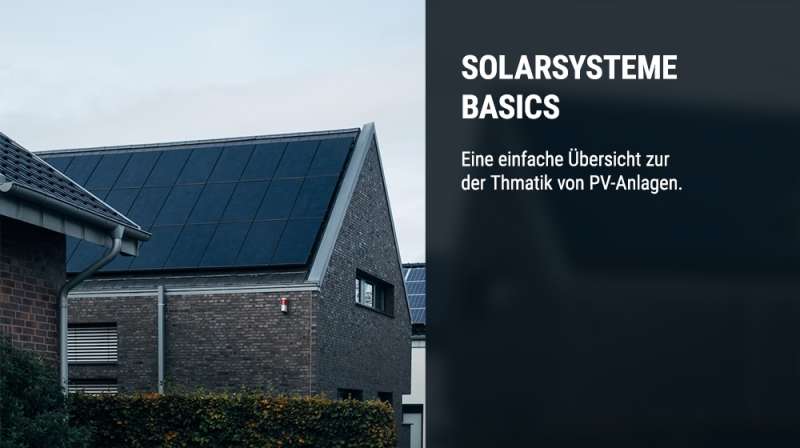
As the world strives for environmental sustainability, more and more people are turning to solar power as an attractive alternative energy source. Solar energy is growing in popularity due to its numerous benefits – from lower electricity bills to lower carbon emissions – making it an increasingly attractive option for homeowners, businesses and governments alike.
This article gives a brief Introduction to solar energy systemsincluding the components of a system, installation procedures, pros and cons, potential savings, and the benefits a solar system can have for you. Armed with this information, you’ll get started on the topic of whether or not switching to a solar system is right for your home or business. As beautiful as the sun is, we will also talk briefly about how you can protect yourself from too much sun.

1. What you should know about solar power systems
Solar panels are becoming increasingly popular due to their environmental friendliness and cost-saving potential. A solar panel system consists of a series of components that harness the sun’s energy to generate electricity that can then be used in homes or businesses.
The most common type of solar systems consists of:
- Photovoltaic modules (PV)
- an inverter
- Batteries for storage
- cables and other electrical components.
These components work together to convert sunlight into usable electricity to power appliances and lighting.
In addition to these core components, some systems can also contain additional elements, e.g. tracking systems, which help to optimize the amount of energy generated by the systemSolar power systems have become more affordable in recent years due to technological advances and increasing demand from consumers looking for sustainable solutions, making them a viable option for homeowners looking to lower their monthly electricity bills while reducing their carbon footprint.
1.1. Components of a photovoltaic system
The most important components of a solar system are:
- The PV moduleswhich absorb sunlight and convert it into usable electricity. The number and size of PV panels depends on the amount of energy the system is intended to produce, so larger systems will require more panels than smaller ones.
- In addition, an inverter needed to convert the direct current from the solar system into alternating current for use in your home or business.
- Batteries or a solar battery is required to store excess power generated by the system.
1.2. Installation and costs
The installation of a solar system requires careful planning and Compliance with local building regulations. It is best to contact a professional installation company who can advise you on the appropriate size and type of system for your home or business. The cost of installing a solar system depends on the components used and the labor costs for the installation.
Regarding subsidies offered by the state or municipalities, you can find them in our Article on the current funding measures for more detailed information.
1.3. Advantages and disadvantages of using solar energy
One of the biggest advantages The great thing about solar energy is that it is an abundant and renewable resource. This means that it does not cause pollution and does not require additional resources such as water or fuel to generate electricity. Solar systems are relatively low maintenance and have a long lifespan. Switching to solar energy can therefore bring numerous benefits to both individuals and businesses. By using clean and renewable energy sources, you can:
- contribute to protecting the environment and
- while saving money on your monthly electricity bills.
- Additionally, installing a solar system is a great way to increase the value of your home or business by making it more attractive to potential buyers.
- Finally, solar systems often come with warranties that ensure manufacturer support in case of any problems or questions.
However, there are also some disadvantagesassociated with the use of solar energy systems. For example, they require a high initial investment and are not suitable for all climates or locations due to the varying levels of solar radiation. Additionally, since solar energy is dependent on weather conditions, it can be unreliable when clouds reduce the amount of sunlight reaching the panels.
1.4. Potential savings by switching to a solar system
By switching to solar energy, homeowners and businesses can expect significant savings over time. Solar systems often have a payback period of around 10 years, meaning that the savings on monthly energy bills will eventually exceed the cost of installation and maintenance. In addition, many states and countries offer various incentives to further reduce the costs associated with a solar system.
2. How to deal with too much sun
There can never be too much sun for your photovoltaic system, but there can be for you as a private individual or business owner. A study on child day care centers, for example, produced a shocking result:
Results: The analysis of shade options showed that over half of the facilities have no or only a few parasols (52.5%). Over a third lack sun sails or awnings. SOURCE: Need for action on skin cancer prevention in child day care facilities – the example of Saxony
If you want to escape the sun, shade sails are an increasingly popular way to escape the sun and hard work. Shade sails provide shade, privacy and protection from UV rays while being aesthetically pleasing. With a Sun sail, waterproof made of lightweight material such as fabric or mesh, you can create a comfortable and inviting outdoor living space.
Tip: “When installing waterproof sun sails, make sure that the sail is hung at a gradient of about 20 degrees so that water does not collect in the middle of the cloth after a rainfall. Make sure there is a gradient of 20 cm per meter. ” Source: https://www.wovar.de/sonnensegel-wasserdicht/
Shade sails come in many different sizes, shapes, colors and textures so they can be tailored to any outdoor space.
- Installation is usually simple and does not require any special tools or expertise.
- Once installed, a shade sail will provide shade and protection from UV rays for up to 10 years or more, depending on the material used and care.
- Depending on the size of the installation, shade sails can cover 100% of a patio or garden area without disturbing the existing landscape.
Helpful links on the topic of sun protection: