
For many years power generation was a government-owned monopoly. If we needed more power, we dammed more rivers or built
coal or gas-fired generators. The environmental movement opposed all of this, advocating for wind, solar and sustainable generation instead.
But it wasn’t until solar power technology improved to become self-funding that the country began to accept that surplus generation on the other side of the power meter should be integrated into distribution networks.
This new model requires a more consumer-centric approach, and
the Sustainable Energy Association New Zealand (SEANZ) was firmly established by 2010 to provide solutions that empower households and businesses to more actively participate on both sides of the energy market.
However, roadblocks at government and network level still provide barriers to the implementation of this new shared model. SEANZ chairman, Brendan Winitana, comments on some changes needed.
If we are going to flatten the demand for large-scale power generation by harnessing the surplus energy generated by consumers, the electricity sector must adapt and provide safe mechanisms for electricity to flow both ways on current networks.
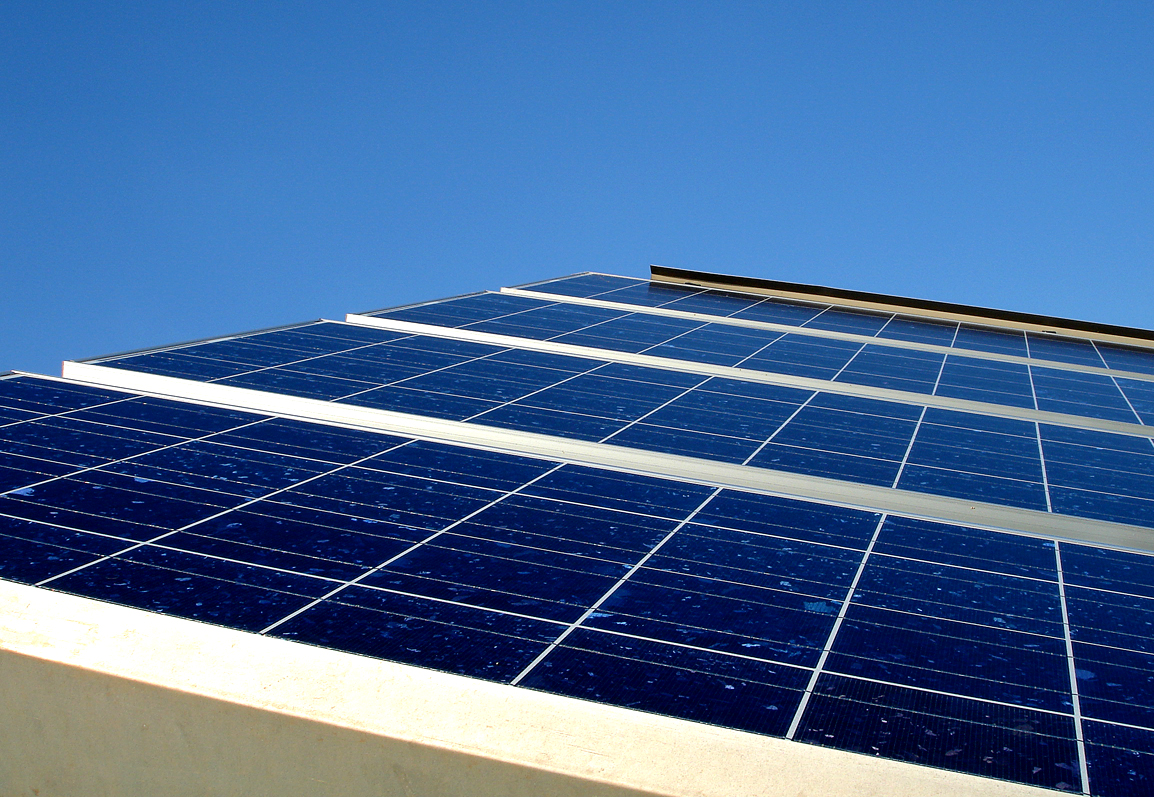
SEANZ is driving this vision through the support and innovation of distributed energy resources (DER). This includes smaller, consumer-owned generation units such as solar photovoltaic, wind generators and battery storage.
vides, we can ensure the safe, secure, reliable, resilient and affordable operation of networks and the market.
Like other countries, New Zealand will embrace DER to not only reduce our carbon-emissions, but to build resilience in the system by reducing load from the grid and level off the impact of supply issues and increased demand for electrification.
Business as usual will not meet the needs of our current situation. That’s why we’re promoting DER solutions to provide zero-carbon energy generation that can help us manage the energy production challenges we face now and in the future.
Solar and batteries play a key role in this vision and their accelerating uptake is fuelling the opportunities available for the industry.
With currently 40,000 ICP solar connections to the grid – we’re target– ing 300,000 by 2030 – rapid growth is underway. Add to that those who now operate off-grid and the market development continues attested by the growth in numbers of the SEANZ group.
Grid-connected residential installations continue to grow (36 percent YoY) with the biggest gains being seen in commercial installations with businesses large and small realising the economic and sustainability benefits of installing solar.
It’s not only allowing them to reduce energy costs, it’s also allowing them to play more active roles in building resilience and could soon be viewed as another revenue stream. With installations happening now around the country consumers are providing excess energy back into the grid for other consumers, during times of high demand.
The electrification of business saves costs, reduces carbon, and provides a market-based competitive advantage using DER, like solar PV and batteries, mixed with grid supply. Added services using a flexibility market approach is obvious including arbitrage for excess generation. It’s exciting technology and exciting times for the industry.
Roadblocks
To get the right protocols in place, SEANZ addresses standards and advocacy as two key pillars of our operation. With representation on the joint Australia New Zealand EL-042 standards committee for renew– able energy power supply systems and equipment, SEANZ works to ensure that not only our workforce is safe, but also that consumers can rely on the safety and secu- rity of distributed energy resources in their homes and workplaces.