
Whow can we live more sustainably? Urban and house construction plays a huge role when it comes to climate protection. One approach are self-sufficient and carbon neutral buildings. Quarters that bind more CO₂ than they emit. Homes that generate their own electricity.
For example, with a photovoltaic system on the roof of a one- or two-family house: Depending on the size, location and season, it can cover the average electricity consumption of a family – and saves around four tons of CO₂ compared to the usual electricity mix of German households.
If no electricity is consumed, the solar power is simply stored locally – and is then also available at night, for example. Produced directly on site, CO₂-free and inexpensive. That’s what the Berlin start-up Zolar promises.
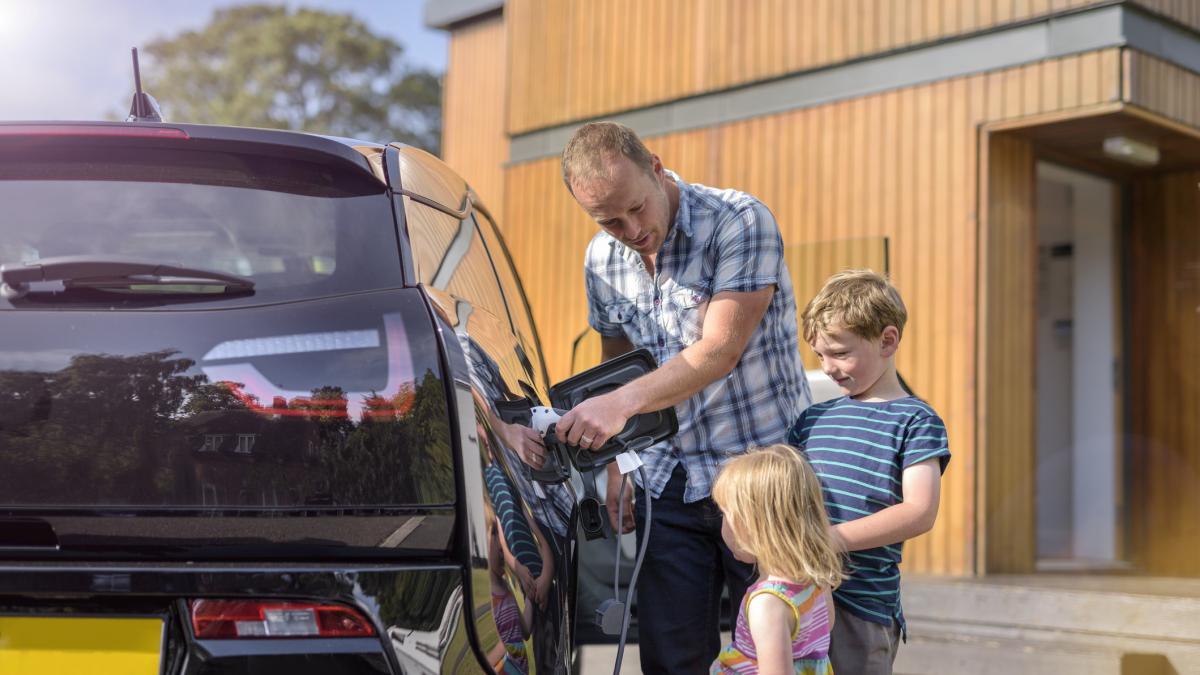
Another important area where we need to improve if we want to live sustainably is mobility. How do we get from A to B as climate-neutrally as possible? Again, one possible answer is: with solar energy. Here, on average, another 1.11 tons of CO₂ can be saved per car.
And again, Zolar gets into the conversation: At the end of January 2022, the company announced that it would cooperate with the car manufacturer Toyota. The common goal: homeowners who drive an e-car should be able to fill up with electricity directly from their own photovoltaic system in an uncomplicated manner and be able to control the charging process via an app.
The whole offer comes in one package. So there is solar system, wall box (Charging station for the car) and to rent an e-car.
Order photovoltaic system online
Alex Melzer had already gained a few years of experience in the solar industry when he set off on a long bike tour through Patagonia. “We were outside every day. And once you’re in sync with nature like that, you realize what man-made climate change really means.” Nothing good, actually, and he decided to set up a company to counteract it.
Zolar started in 2016. The idea: to make it as easy as possible for homeowners to produce their own green electricity. Ordering a bespoke photovoltaic system online shouldn’t be much more complicated than putting together furniture at Ikea. A few clicks through the online configurator, uploading photos, entering data about the house and location, and the customer receives a fixed price offer for the entire system.

Local experts, roofers and electricians, who are coordinated by Zolar, take care of the installation. Since summer 2021, Solar has also been offering to rent these systems instead of buying them.
In the beginning, reports Melzer, he had to deal with “very classic platform problems”: “Either we had specialist companies as partners, but no customers in a certain region, or there were customers and we didn’t have any partners in the area.”
It was no different with Uber and other start-ups in their early days. In the meantime, however, Zolar has a network with hundreds of craft businesses nationwide, which in turn use the platform to conveniently acquire worthwhile orders.
Zolar wants to make 100 million euros in sales
In this year alone, Melzer and his team have sold solar systems to 5,000 homeowners. A system for a 20 square meter roof including feed-in and power storage, which offers up to 70 percent independence from the grid, costs around 12,000 euros. That’s the starting price.
In addition, there are larger systems at higher prices. Next year Zolar wants to sell three times as many systems and make a turnover of 100 million euros. In the past, investors such as Energy Impact Partners and Heartcore Capital have gotten involved in several fundinigs and have financed Melzer and his co-founder Gregor Loukidis with 35 million euros.
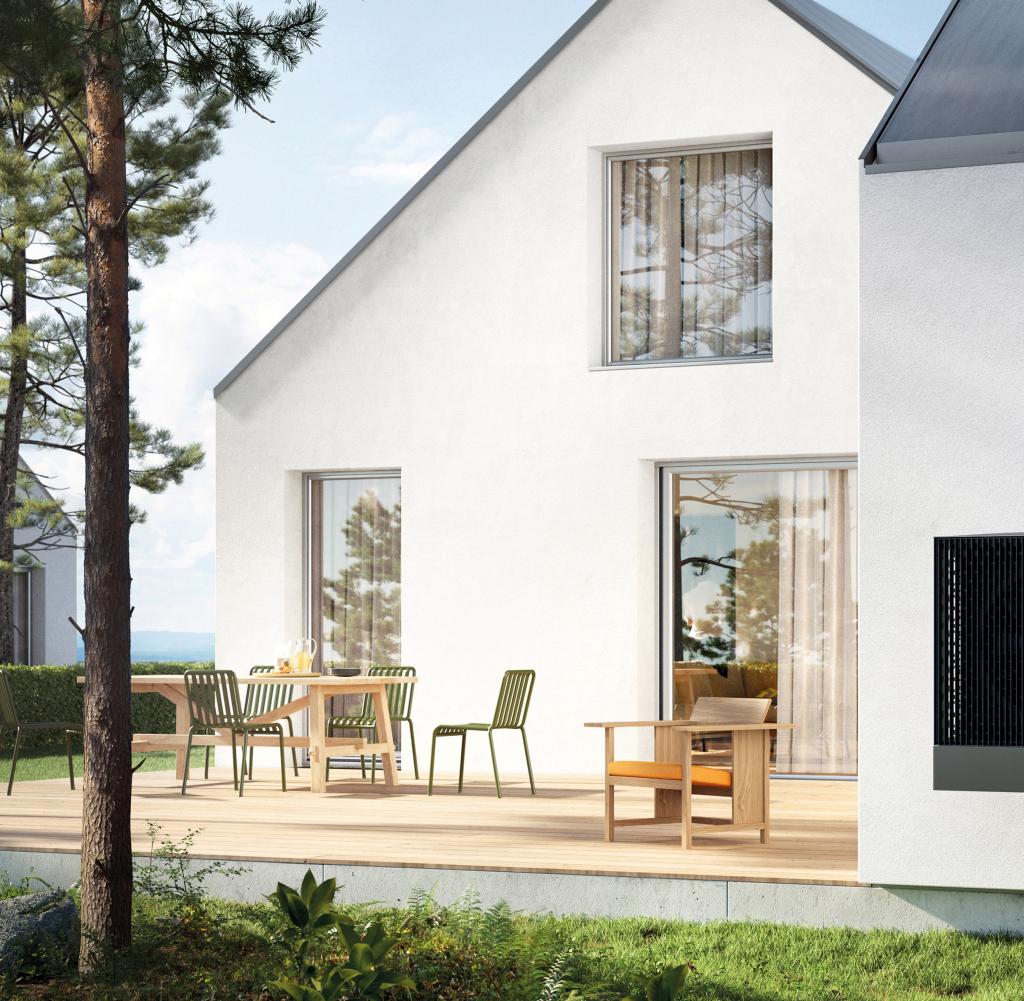
Of course, this is also a charming target group: Zolar can only be built on the roof of someone who owns a single-family house, at most a semi-detached house. In other words, you are automatically dealing with a reasonably affluent clientele here. One that, at least that’s what Melzer observes, often feels the need to do “something” about climate change.
And he makes it easy for her with his own green electricity. And then there is certainly a lot of tailwind from the new, partly green government? Meltzer shakes his head. “Nope,” that doesn’t matter: “We don’t need subsidies anymore. Many people buy a solar system today, firstly because electricity has become very expensive, and secondly because they are buying an electric car.”
Decentralized energy production
Electricity from your own solar system helps in two ways: filling up e-cars is not only expensive, it could also push entire power grids to their limits, say experts. It’s not unproblematic when half a small town comes home from work at 6:30 p.m. and everyone plugs their car into the charging station at the same time.
It’s an advantage to be self-sufficient. “I’m a fan of decentralized energy anyway,” says Melzer. Because: “Nothing makes more sense than generating the electricity I need on site.”
Decentralized energy generation is and will be an issue that is being driven forward by politics. Just one example: In Bavaria, for example, there are no Projections by the Ifo Institute according to around 4.5 gigawatts of power by 2025. This capacity gap is to be closed, among other things, by promoting decentralized energy generation.
Generating enough of one’s own electricity with the help of a resource that is practically always there (because what shines between November and March from the concrete sky in Berlin or Hamburg also generates electricity) is only plausible for Alexander Melzer. “I am quite sure: we will return to solar energy. Mankind is the only species that does not live off the sun,” says the Zolar founder.