
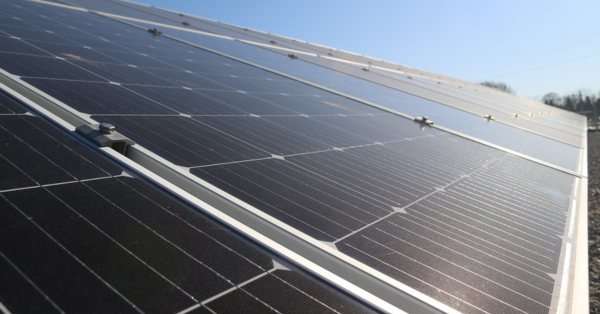
According to the National Grid Electricity System Operator (NESO), the UK set a new solar energy record of 15.2 gigawatts as of 1pm on Wednesday April 22nd. This milestone puts solar power squarely at the heart of the UK’s energy mix, at a time of year when peak summer production is still to come.

On a typical day, the National Grid’s average demand is between 29 and 35 GW, meaning Wednesday’s production met about half of the country’s electricity needs at that time – reached in April, well before the traditional peak solar season. The record follows another national peak of 14.4 GW reached in early April 2026, suggesting production is increasing faster than seasonal patterns alone would explain.
Ed Milliband, the Secretary of State for Energy Security and Net Zero, has continued to expedite approvals for solar farms. The latest green light for the 800MW Springwell Solar Farm underlines the Government’s commitment to accelerating the deployment of solar energy through the Planning Inspectorate. The UK’s solar development pipeline currently includes over 32GW of projects at various stages, with 1.9GW already under construction.
What happens when the sun doesn’t shine? Battery storage is becoming a crucial complement to intermittent solar energy. Grid-scale lithium-ion systems installed alongside solar farms and wind projects can provide near-instantaneous power, smoothing the ebbs and flows of renewable energy production and reducing reliance on fossil fuels as a replacement during short-term peaks in demand. The speed and flexibility of these systems make them particularly valuable for maintaining grid stability as the share of clean energy in the UK continues to grow.